
The engine should get smarter from every reviewed job.
Quality Intelligence links evaluation, translation, human corrections, post-edit effort and delivery data so future routing can be informed by observed outcomes.
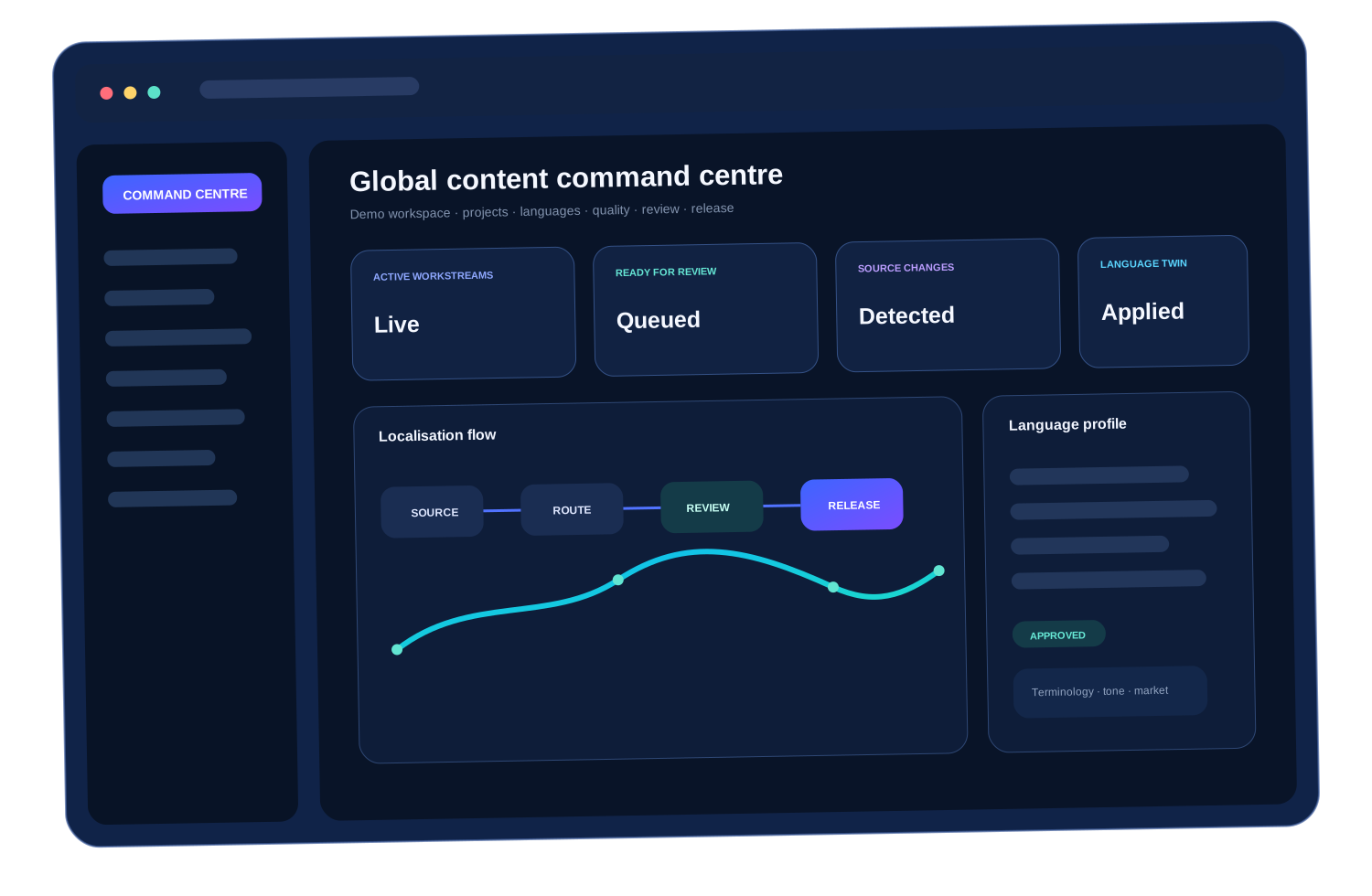
One command centre for multilingual operations.
Projects, languages, quality, review, releases and enterprise controls become part of one connected operating layer.
Translation becomes
an evidence system.
The value comes from learning which route best fits each organisation's language, subject area, quality threshold and delivery requirements.
Human LQA Studio
Record error severity, post-edit distance, editing time and route economics.
Evaluate →Provider Scorecards
Aggregate only the observations actually recorded in the workspace.
View evidence →Benchmark Datasets
Organise repeatable tests by language pair, domain and risk.
Manage test sets →Routing Policy
Decide how quality, speed, cost, risk and minimum evidence should influence route choice.
Set policy →Unit Economics
Keep provider, human-review and infrastructure cost visible beside revenue.
Model economics →Evidence Centre
Govern how Versioning can substantiate future quality and comparison claims.
Methodology →The defensible advantage is feedback.
Models can be copied or replaced. Customer-specific terminology, post-edit data, reviewer decisions, benchmark history and route performance compound over time.
Open Quality Intelligence workspace →